
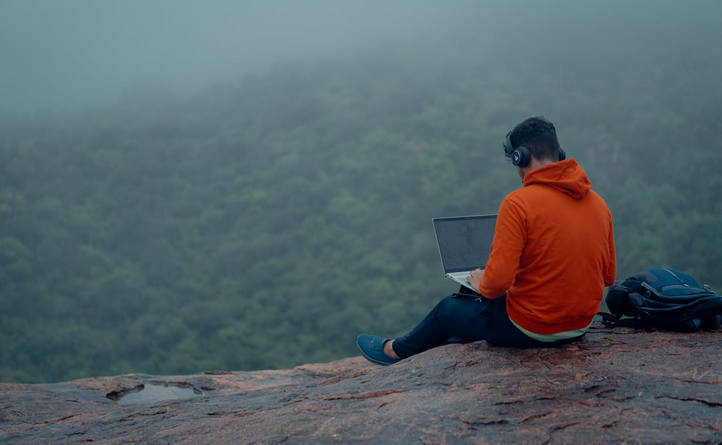
Remote work has changed how many people approach travel and daily living. Professionals are no longer limited to working only from offices or major cities. As flexible work arrangements continue growing, remote workers are exploring destinations that support both productivity and relaxation. One travel trend gaining attention is off-season mountain trips. Instead of visiting crowded tourist areas during peak seasons, many remote workers now prefer quieter mountain destinations during less busy months. These trips often provide peaceful environments, lower costs, and slower routines that fit modern remote lifestyles. Understanding why off-season mountain travel is becoming more popular helps explain changing priorities in work, travel, and personal well-being.
A Quiet Getaway
Many remote workers spend large amounts of time connected to screens and digital communication to get even more insights for their trips. Busy cities, crowded coworking spaces, and constant noise can increase mental fatigue over time. Off-season mountain destinations offer quieter surroundings and reduced social pressure compared to highly populated urban areas. The slower environment allows people to focus more comfortably while still enjoying natural scenery and fresh air. This balance between productivity and calmness has become highly attractive for remote professionals.
Lower Accommodation Costs

Traveling during off-season periods is often more affordable than visiting destinations during peak tourism months. Accommodation prices, transportation costs, and local expenses may decrease significantly outside busy travel seasons. Remote workers who stay longer in one location often prioritize budget-friendly travel arrangements. Off-season mountain trips can provide access to scenic locations without the high costs commonly associated with luxury tourism periods. This affordability supports longer and more flexible travel experiences for remote professionals.
Flexible Work Schedules
Remote work allows people to organize schedules more independently than traditional office jobs. Many professionals now combine work responsibilities with travel experiences throughout the year. Mountain destinations support flexible routines because they encourage slower daily pacing and fewer distractions. Remote workers may spend mornings working and use afternoons or evenings for hiking, relaxation, or exploring nature. This lifestyle balance has become increasingly appealing for individuals seeking healthier work habits.
Improved Health
Digital fatigue and burnout have become common concerns among remote workers. Constant online communication and extended screen time may create emotional exhaustion over long periods. Natural environments often provide opportunities for mental recovery and reduced stress. Quiet mountain settings can feel emotionally refreshing compared to highly stimulating urban spaces. Many remote workers now intentionally choose destinations that support emotional balance and mental clarity while continuing professional responsibilities. Off-season travel often enhances this experience because the environment feels even calmer and less crowded.
Slower Travel Experiences
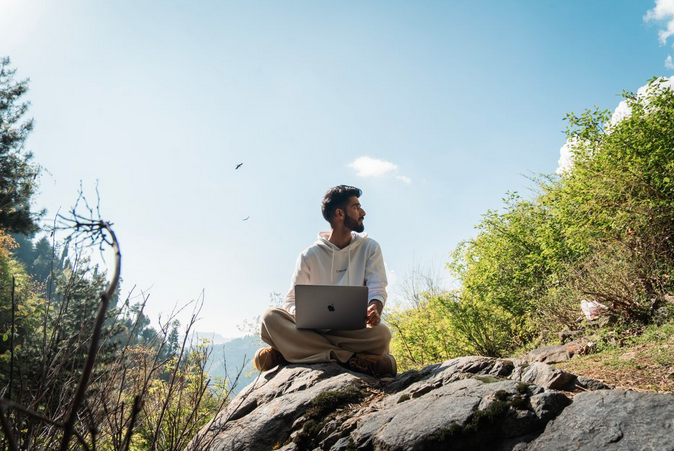
Travel trends are shifting away from rushed itineraries and highly packed tourism schedules. Many remote workers prefer staying in one destination longer instead of constantly moving between locations. Mountain towns naturally support slower travel because activities often focus on nature, routine, and local exploration rather than nonstop entertainment. Longer stays also allow travelers to build temporary routines that combine productivity with relaxation more effectively. This slower travel style aligns closely with the flexibility offered by remote work lifestyles.
Local Community Atmospheres
Off-season travel often allows visitors to experience mountain communities more authentically. During quieter months, destinations may feel less focused on tourism and more connected to local daily life. Remote workers sometimes seek environments that feel peaceful and community-oriented rather than highly commercialized. Smaller cafés, local businesses, and quieter public spaces often create more comfortable settings for extended stays and remote work routines. This local atmosphere can make travel feel more personal and meaningful over time.
Off-season mountain trips are gaining attention from remote workers because they combine affordability, flexibility, relaxation, and natural surroundings within a slower travel experience. Quiet mountain destinations often provide environments that support both professional productivity and personal well-being. As remote work continues expanding, more professionals are rethinking how and where they live and work. Off-season travel offers opportunities to avoid crowds, reduce stress, and create healthier daily routines while maintaining career responsibilities. This growing trend reflects larger changes in modern lifestyles and travel priorities. Remote workers increasingly value destinations that support balance, mental recovery, and meaningful experiences rather than fast-paced tourism alone.
